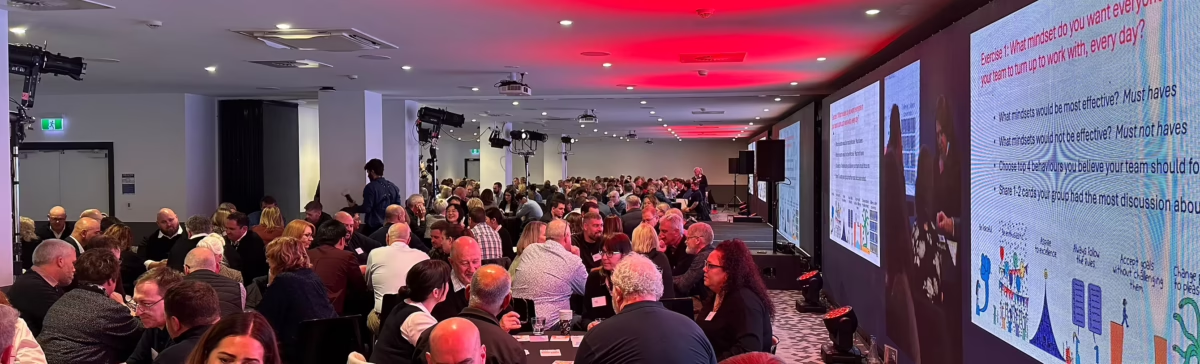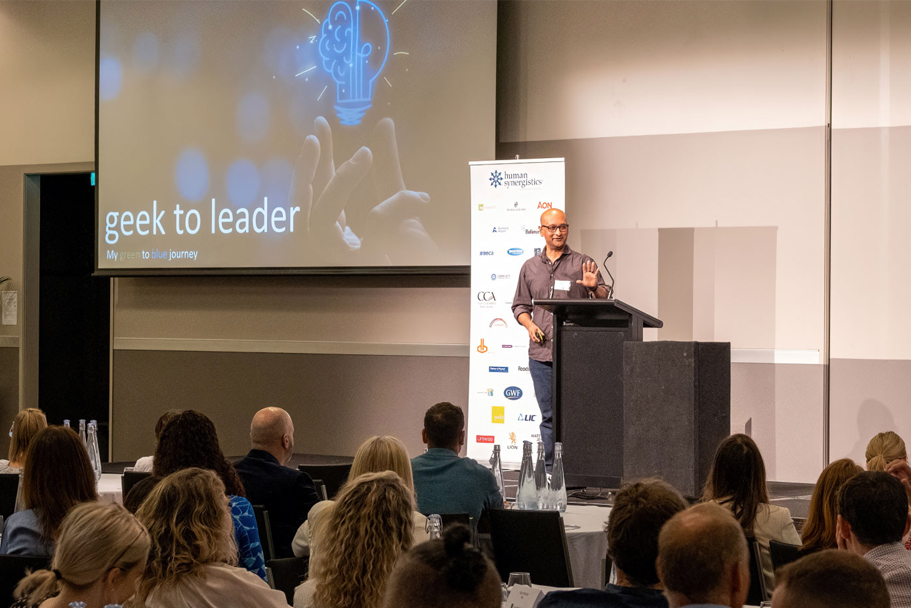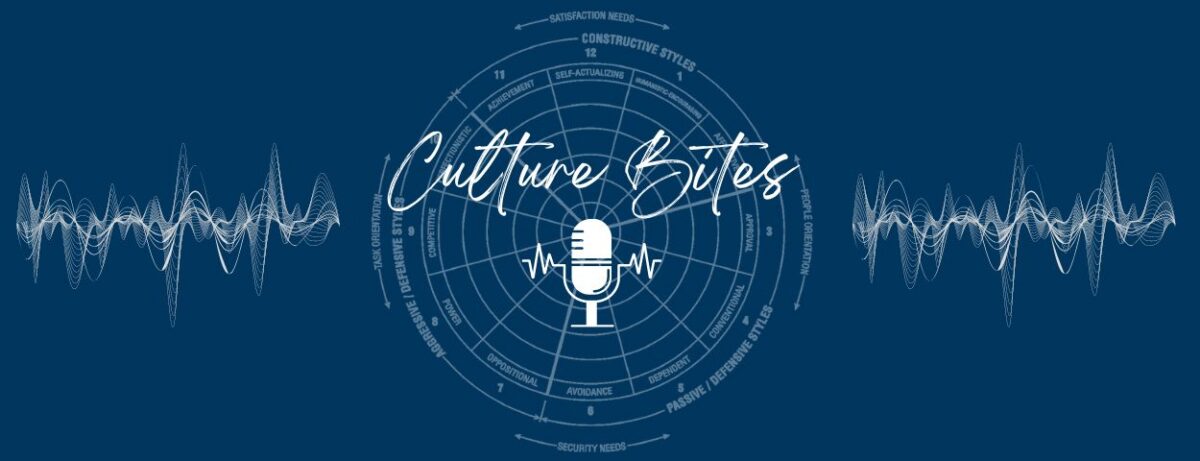





Diagnostics: Make Thinking & Behavioural Expectations Visible

Most organisations take action without fully understanding what is shaping behaviour, culture, and performance. Our diagnostics create clarity by making visible the thinking patterns, behavioural expectations, and systemic signals that are often invisible to the people inside the system

Why Diagnostics Matter?

Effective change starts with shared understanding. Without the right diagnostics effort is misdirected, symptoms are treated instead of causes, assumptions go unchallenged, and well-intended initiatives struggle to stick. Well-used tools provide a neutral mirror, replace speculation with evidence, create a common language, and focus attention on what actually matters, allowing organisations to move forward without blame, defensiveness, or guesswork.

``Most organisations are taking action without truly understanding what is shaping behaviour, culture, and performance.``

What We Measure

And Why

Our diagnostics are grounded in over fifty decades of behavioural and organisational science and focus on four essential questions: how leaders think and behave under pressure, how teams interact and solve problems, the behavioural expectations that define the culture, and the outcomes the current system reliably produces. These questions guide everything that follows, from design to activation to embedding.

Our Diagnostics Capability: Globally Validated Insight That Drives Action

How Are Diagnostics Used?

Diagnostics are starting points, not answers. They inform the design of programmes by identifying the few levers that matter most, guide activation by focusing effort where it will have real impact, and support embedding by tracking whether change is holding over time.

Talk with us
Life Styles Inventory™
LEARN MORE ▼
Leadership Impact™
LEARN MORE ▼
Group Styles Inventory™
LEARN MORE ▼
Org Culture & Effectiveness Inventory®
LEARN MORE ▼
Management Impact™
LEARN MORE ▼
Stress Processing Report™
LEARN MORE ▼

Life Styles Inventory™

Reveals the thinking patterns (LSI1) and behavioural styles (LSI2) that shape how leaders respond, decide, and lead — particularly under pressure.

VIEW DIAGNOSTIC