Overview
Time orientation plays a crucial role in personal mastery and effectiveness. It involves how we perceive the past, engage with the present, and plan for the future, and each aspect contributes to our overall sense of balance, fulfilment, and success.
“The best way to predict your future is to create it.” — Abraham Lincoln
1. Past Orientation: Learning Without Dwelling
Our past shapes how we interpret present events and influences future expectations. It provides a “personal library” of experiences, allowing us to grow without having to relearn lessons repeatedly. However, the way we view our past—positively or negatively—greatly affects our emotional and psychological well-being. For instance, people who carry negative perceptions of their past may feel burdened by their memories, often projecting these feelings into their present and future, limiting their growth.
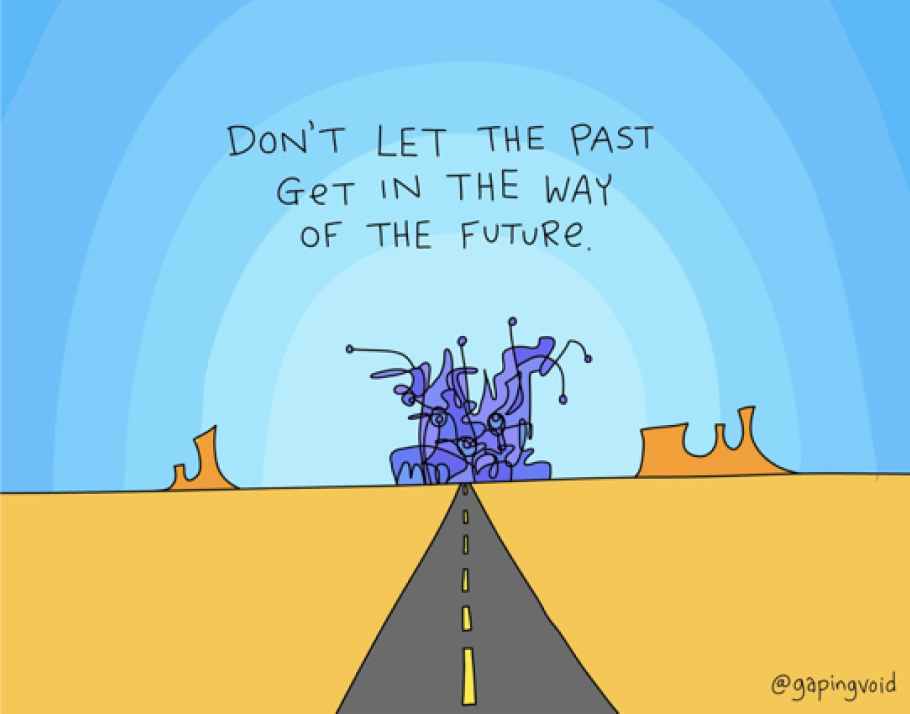
Healthy time orientation in this context involves respecting the past for its lessons without letting it define current possibilities or future aspirations.
“You can’t start the next chapter of your life if you keep re-reading the last one.” — Unknown
2. Present Orientation: Balancing Urgency and Flow
The present is where we experience life moment by moment, and managing it well is essential for productivity and well-being. People who feel pressured by time often rush through tasks, fail to engage fully, and compromise quality. Having a balanced present orientation means creating time for both work and relaxation, learning to prioritise what truly matters, and letting go of unproductive stress.
A healthy approach to present time orientation can lead to “flow,” a state where time seems to disappear because of total immersion in meaningful tasks. This not only enhances productivity but also increases life satisfaction.
“Realize deeply that the present moment is all you have. Make the NOW the primary focus of your life.” — Eckhart Tolle
3. Future Orientation: Optimism and Vision
Our vision of the future drives our motivation and shapes our goals. A positive, optimistic view of the future is linked to higher levels of self-confidence, planning, and proactivity. People who are optimistic about the future are more likely to set ambitious goals and take the necessary steps to achieve them. This forward-thinking orientation empowers individuals to overcome present challenges by focusing on long-term rewards.
Conversely, a pessimistic future orientation, marked by fear and worry, can stifle growth. People stuck in this mindset may resist change and avoid taking risks, thereby missing opportunities for personal and professional advancement.
4. Food for thought
Reflection is a very useful tool. Here are some thoughtful questions for each domain—past, present, and future—that people can use to explore their time orientation and make improvements.
Past Orientation: Reflecting and Learning
The past influences how we act in the present, but dwelling too much can create negative cycles. These questions help clarify how you relate to your past:
- Do I hold any resentment or regrets about my past?
- How often do I revisit memories that cause me pain or discomfort?
- What lessons have I learned from my past mistakes or successes?
- Do I use past experiences as motivation, or do they hinder my progress?
- How can I reframe past events to better serve my current goals?
- Fundamental reflection: “Am I learning from my past or living in it?”
Present Orientation: Engaging and Managing
Managing the present effectively is essential for feeling in control and maintaining balance. Reflect on your relationship with the present with these questions:
- How do I manage the time I have each day? Is my time aligned with my priorities?
- Do I feel rushed or pressured in my daily tasks?
- Am I able to enjoy the moment, or do I often feel distracted by other things?
- How well do I balance work and non-work activities?
- Do I take time to reflect and relax, or do I feel guilty about not working all the time?
- Fundamental reflection: “Am I present in the moment, or am I rushing through life?”
Future Orientation: Planning and Anticipating
A future orientation encourages goal-setting and forward thinking, but it can also lead to anxiety if not balanced. Use these questions to assess your outlook:
- How do I feel when I think about the future? Excited or anxious?
- Do I have clear long-term goals? Are they realistic and motivating?
- Am I preparing myself for future challenges, or do I fear them?
- How often do I visualize where I want to be in 5 or 10 years?
- Do I take practical steps today to create the future I desire?
- Fundamental reflection: “Am I excited about my future, or am I afraid of what it holds?”
Integrating the Dimensions
Here are a few questions that help integrate all three time orientations:
- How does my view of the past affect how I manage my present and future?
- Am I using lessons from the past to shape my goals for the future?
- Do I feel overwhelmed by the present because of past regrets or future fears?
5. Summary: Integrating Past, Present, and Future for Mastery
Achieving personal mastery requires a balanced time orientation. By learning from the past without being trapped by it, managing the present effectively, and approaching the future with optimism and vision, individuals can navigate life with greater confidence and purpose. Time is not just a measurement but a tool that, when utilised wisely, can lead to continuous growth and fulfilment.
These thoughts have been taken from the HSNZ Personal Mastery Programme. Reach out to learn more.