Introduction
The current state of political discourse, amplified by platforms like LinkedIn and Twitter, reveals a troubling societal trend: the loss of curiosity, critical thinking, and openness to diverse perspectives. Politicians—whether Jacinda Ardern releasing her book in New Zealand or contentious political debates in the US—have become lightning rods for entrenched viewpoints and personal ridicule, symptomatic of deeper issues in our approach to dialogue.
Today and Implications
Today, political affiliations often resemble sports team loyalties, fiercely defended regardless of facts or context. Politicians are increasingly perceived merely as symbols of “our side” or “the opposition,” rather than as individuals with nuanced and complex positions. This tribalism erodes meaningful discussion, reducing debates to personal attacks and emotional escalation, where arguments become increasingly charged to outdo opponents, pushing discourse into an unproductive no-man’s-land.
The implications of this trend are serious. If public life continues to be dominated by negativity, hostility, and ridicule, talented and sincere individuals will withdraw from politics. This leaves us with a shrinking pool of candidates, typically those who thrive in contentious environments—often driven by ego rather than genuine problem-solving or collaborative solutions.
Remedy
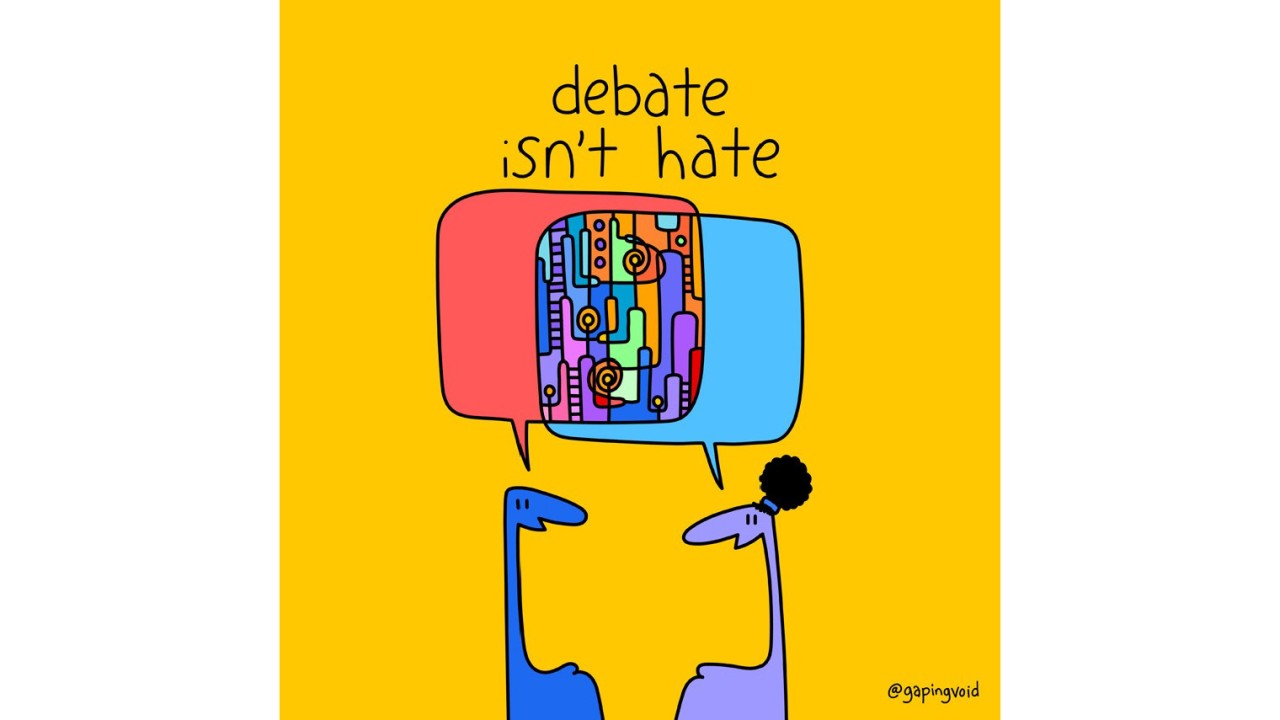
The remedy to this deteriorating discourse is simple yet challenging: we must rekindle our curiosity and openness. Approaching political issues with less predetermined bias allows us to evaluate arguments based on their merits rather than the personalities presenting them. Curiosity encourages genuine exploration of policies, intentions, and context, fostering more thoughtful and informed decision-making.
Imagine the impact if we approached political discourse with genuine curiosity and critical thought, examining ideas deeply rather than simply reacting to the individuals who present them. This approach doesn’t require abandoning our principles; it instead enhances our ability to engage constructively, promoting solutions-driven politics rather than superficial charisma or divisive celebrity.
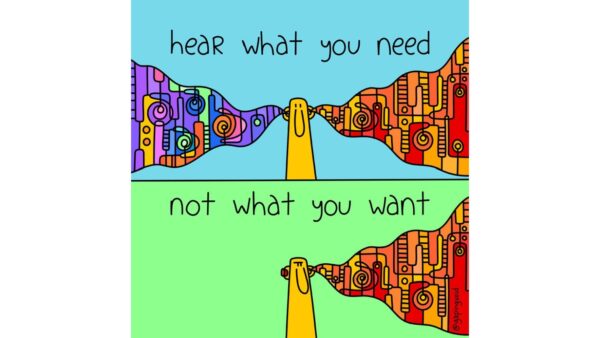
This toxic approach is not confined to politics alone—it increasingly permeates everyday interactions. Individuals push personal agendas onto others without invitation, clouding genuine dialogue. Others intentionally spread misinformation or provoke negative emotions merely for attention and popularity, sacrificing integrity and character for clicks and reactions.
Summary
We have a collective moral obligation—particularly towards younger generations observing our actions—to model respectful, disciplined, and integrity-driven behaviour. If you have a point, make it clearly and honestly. Avoid disguising ideas in negativity or emotional manipulation. Social media and public platforms should be tools for creation and constructive debate, not destruction.
Let’s reclaim meaningful discourse guided by curiosity, critical thinking, and a strong moral code, showing future generations the power of thoughtful engagement and respectful disagreement.